If you’re budgeting for a new roof, you might not be aware of all the residential roofing hidden costs. It’s crucial to factor in the overall residential roofing cost, which can significantly influence your budget and planning. Keep reading to discover everything you should know about the hidden cost of roofing projects, including aspects like roofing labor, materials, permits, inspections, and more.
The Residential Roofing Project Costs Homeowners Often Overlook
Even if you received an upfront estimate or quote, the best roofing contractors
can’t account for every situation that can occur while installing a new roof. You should prioritize contractors with transparent and honest pricing and communication, but there are several factors they can’t control, which can add to the cost of your roof.
While you should always ask what a contractor’s estimate includes, consider the following most common hidden costs when you’re budgeting for a new roof.
Permit Fees
The permit process requires navigating a network of state and local codes, finding a qualified contractor, and filling out and filing paperwork. It can take weeks or months, and the costs can slowly add up. In Connecticut, expenses associated with roofing permits usually reach a couple hundred dollars.
Fortunately, most roofing contractors handle the work of obtaining the permit, but most don’t include the cost in their original quote.
Inspection Costs
You can’t install a new roof without inspecting the state of your current roof and the new roof once the contractors complete it. While some contractors include an initial inspection in their estimate or quote, you should budget for the cost of at least two inspections. Some roofing projects require additional inspections.
While several factors affect the price, including the type of inspection, the size of the roof, and the level of detail required, most inspections cost around the same price as a permit: a couple hundred dollars.
Disposal Requirements
One of the most overlooked residential roofing hidden costs is how much you’ll pay to dispose of your old roofing materials. If you’re installing a completely new roof (rather than a second layer of shingles), you’ll have a considerable number of old shingles you must get rid of.
Proper disposal methods vary based on city or county laws, but depending on what type of mater ial
you had for your old roof, you could recycle your old materials, which reduces the disposal costs. Sometimes you can also donate the old materials to a charity or non-profit.
If you can, find a roofing contractor that handles the disposal for you, which saves you considerable time and avoids any complications from improper waste management. You’ll likely pay a little extra, but you’ll find the extra service worth it.
Additional Labor
Even the best contractors occasionally require additional labor costs beyond what their initial estimation or quote provides. The most common hidden costs for roofing labor include:
- Overtime or weekends
: If the weather doesn’t cooperate or the roofing contractors have unusually high demand, they may require working overtime or on weekends to complete the job on time. While you’ll pay more, you can’t underestimate the risks of having a sub-par roof, so completing the job quickly is better than waiting on factors you can’t control.
- Specialized labor requirements
: Depending on the type of roofing material
you choose, the size and layout of your roof, and any local compliance issues, you may require specialized labor to complete your roof. While you’ll pay a little extra for this specialized help, it ensures the proper installation of your roof, reducing the amount of repairs it will need and increasing how long it lasts.
- Efficient completion
: If you’re on a time crunch to quickly complete your new roof, your contractor may advise bringing in extra workers to complete the job faster than normal. More workers can complete multiple areas of the roof at once or clean up the property in stages rather than waiting until the end.
- Safety considerations
: More workers can increase the safety of a project by having faster response times during an emergency or spreading out the responsibility for heavy lifting. While not every project requires extra precaution, paying a little extra for everyone’s safety is a reasonable request.
- Lifecycle roofing cost
: It’s also important to consider the long term roofing cost, which encompasses not only the immediate expenses but also long-term costs like maintenance, repairs, and eventual replacement.
This holistic view of roofing costs ensures that you make a financially sound decision considering both upfront and future expenses.
Repairs and Unexpected Issues
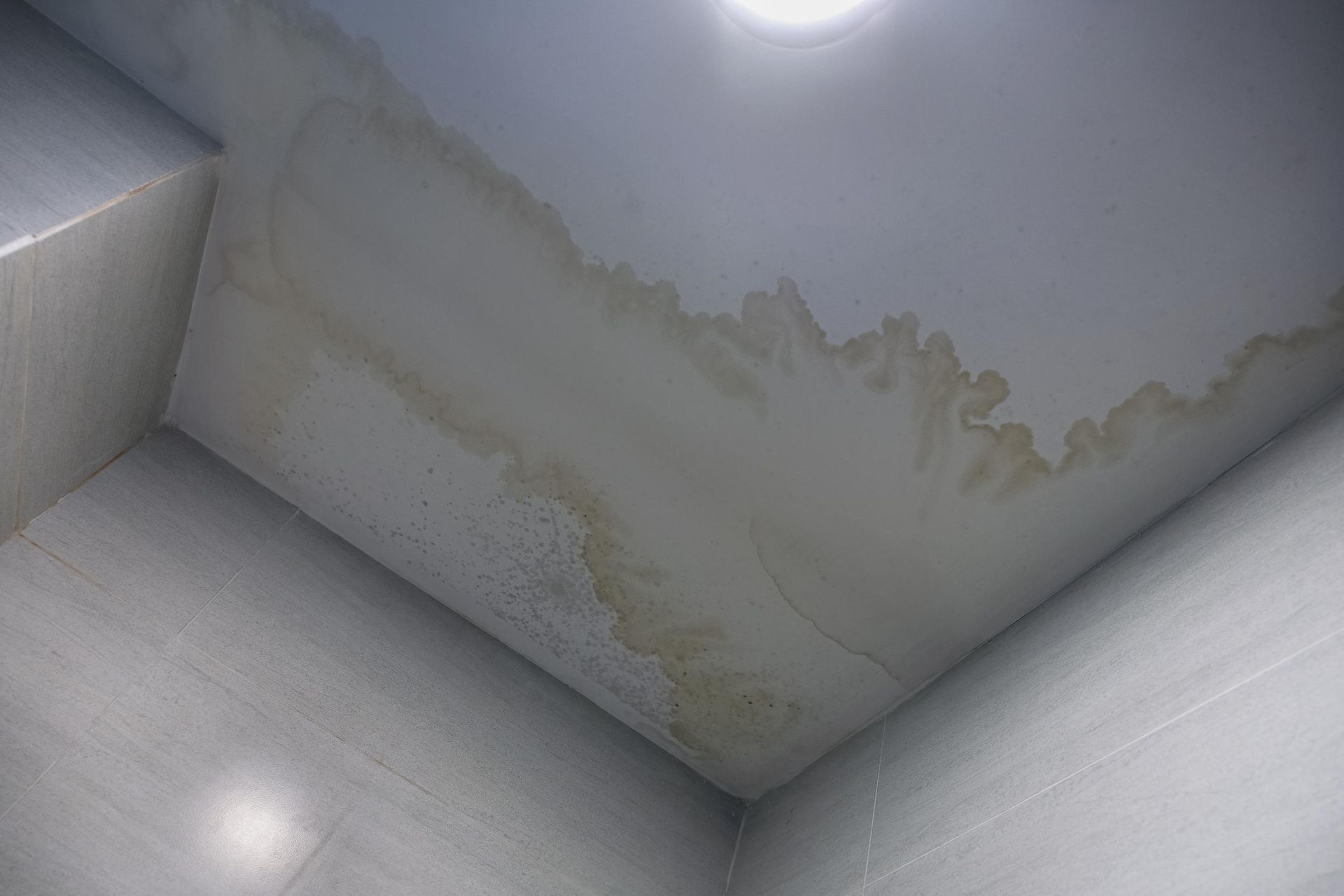
Even with the best roofing contractors, unexpected issues can arise, and even with regular maintenance, your roof requires occasional repairs. Budgeting for repairs can keep your roofing project on track when the contractors find water damage, a weak structure, or other factors they didn’t see during the original inspection.
When you budget for a new roof, try to save up enough to cover occasional repairs over the next decade. While your insurance should cover things like weather damage, having a nest egg to deal with unexpected costs helps you overcome unforeseen circumstances or the bureaucracy of insurance companies.
Upgrades and Customizations
Many homeowners opt for upgrading their roofing material or adding customizations. While it might seem like a small additional expense, it can make you vulnerable to hidden costs. The following hidden costs happen most frequently in roofing upgrades:
- Material upgrades
: If you’re upgrading your roof from asphalt or shakers to a more durable material like metal or slate, you’ll increase the longevity of your roof. However, remember you pay a premium for quality. Compare the upfront cost increase with the long-term benefits before committing to more expensive roofing materials.
- Design factors
: Adding unique architectural features, like a dormer or skylight, can greatly enhance your home’s curb appeal and value. However, many homeowners feel surprised at how quickly these elements add up when you factor in the specialized labor and materials they can require.
- Labor increases
: Certain roofing materials, such as slate, and various architectural features require specialized knowledge or labor to install.
Get a Free Quote from the Roofing Experts at A1 Home Improvement
Now that you know about residential roofing’s hidden costs, you can make an informed decision about your next roof. A1 Home Improvement can help you choose the best roofing material and style for your home. For a free estimate in Hartford, New Haven, Middlesex, and New London Counties, fill out our online form or call 860-831-4259.